Folate-rich foods you probably already have
For anyone who'd rather start with dinner than a pill bottle.
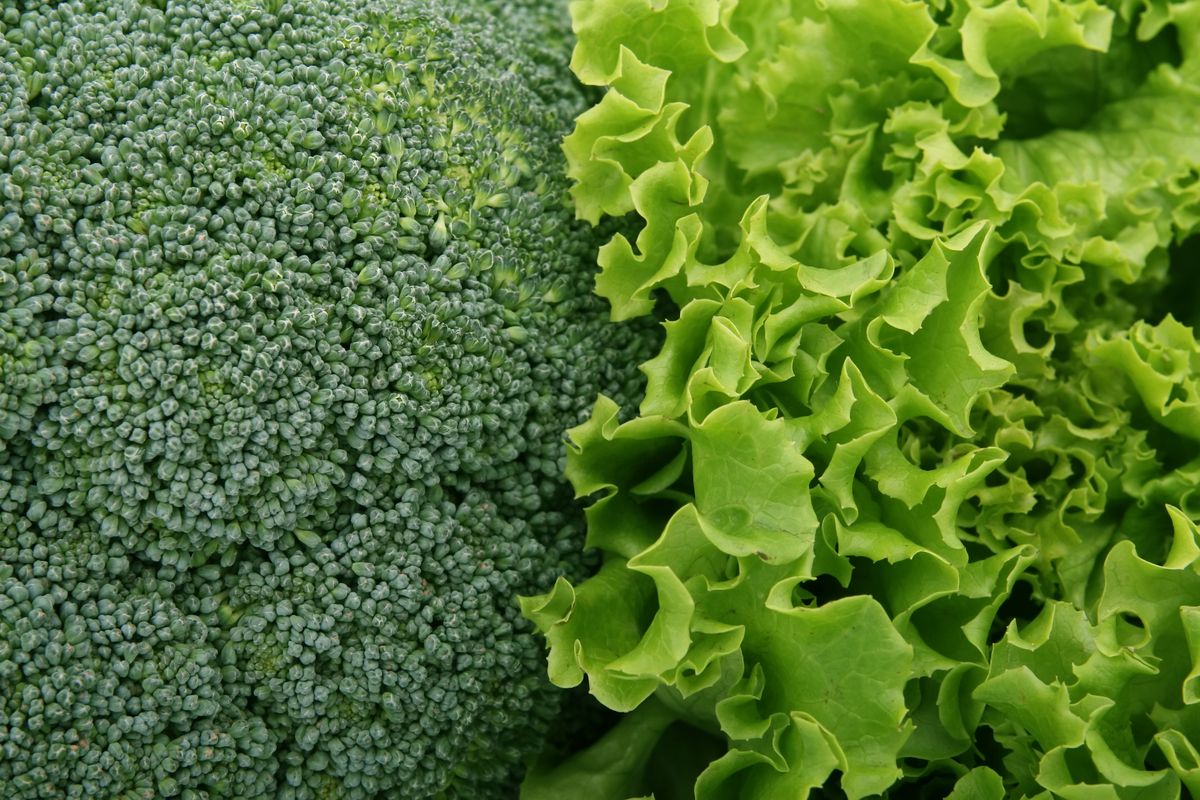
The word “folate” comes from the same root as “foliage” — leaves — and that’s the happiest fact in this whole topic, because it means the best folate sources are ordinary, affordable foods you can put on the table tonight. No panic, no special order, no obsessing over labels. Just food.
The everyday folate all-stars
You likely have several of these already:
- Leafy greens — spinach, romaine, arugula, collards. The original folate.
- Legumes — lentils, chickpeas, black beans, pinto beans. Cheap, filling, folate-packed.
- Asparagus, broccoli, and Brussels sprouts — green, humble, excellent.
- Avocado — creamy, kid-friendly, surprisingly folate-rich.
- Beets and citrus — beets for dinner, an orange for a snack.
- Eggs and sunflower seeds — easy add-ons.
- Liver — if your family eats it, it’s one of the richest sources there is (a little goes a long way).
Notice these are foods, not a regimen. A couple of these across a normal day and you’re doing well.
Keep the folate in (a small cooking trick)
Folate is a little delicate — it doesn’t love long cooking or lots of water. Easy habits that help:
- Steam or sauté briefly instead of boiling for ages.
- If you do boil, keep the cooking water for a soup or sauce (the folate leaches into it).
- Fresh and frozen both count — frozen greens and veg are genuinely fine.
Getting it into a family (including picky eaters)
- Blend spinach into a fruit smoothie — invisible and sweet.
- Stir lentils into pasta sauce or a taco filling.
- Mash avocado on toast, or into dips.
- Roast broccoli and Brussels sprouts until crispy — a different food entirely from the sad boiled version.
The calm bottom line
You don’t have to earn folate through willpower or spreadsheets. Build a few of these into normal meals and the foundation is set. Supplements (in the right forms) are there to fill gaps — not to replace a good plate.
And where food gives everyone a solid baseline, your genes are what tell you where your family might want to pay a little extra attention — which nutrients to prioritize, which forms suit you. Food is the foundation; your own picture is what makes it specific.
Education, not medical advice. A varied, real-food diet is a wonderful default. For specific needs — pregnancy, a diagnosed deficiency, a medical diet — check with your practitioner.